Japan Alphabet (ひらがな)
Japanese uses three writing systems: Hiragana (ひらがな), Katakana (カタカナ), and Kanji (漢字).
English
Last updated
Fri, 03-Apr-2026
Japanese uses three writing systems: Hiragana (ひらがな), Katakana (カタカナ), and Kanji (漢字).
English
Last updated
Fri, 03-Apr-2026
Type: Phonetic syllabary (each symbol = a sound).
Number of characters: 46 basic + diacritics (dakuten ゛, handakuten ゜).
Purpose:
Writing native Japanese words not represented by Kanji
Grammar particles (は, が, を, etc.)
Verb and adjective endings
Furigana (pronunciation guides for Kanji)
Example characters:
Vowels: あ (a), い (i), う (u), え (e), お (o)
K-row: か (ka), き (ki), く (ku), け (ke), こ (ko)
N: ん (n – nasal sound)
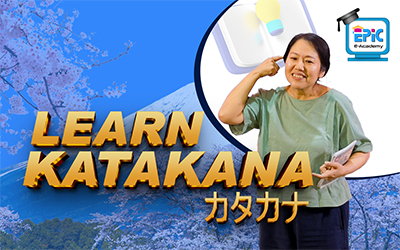
Type: Phonetic syllabary (like Hiragana, different symbols).
Number of characters: 46 basic + diacritics.
Purpose:
Foreign loanwords (コンピュータ = computer)
Foreign names (ジョン = John)
Onomatopoeia (sound words)
Emphasis (like italics in English)
Example characters:
A-row: ア (a), イ (i), ウ (u), エ (e), オ (o)
KA-row: カ (ka), キ (ki), ク (ku), ケ (ke), コ (ko)
Type: Logographic characters (each symbol represents meaning + sound).
Origin: Borrowed from Chinese, thousands of characters exist.
Purpose:
Represent nouns, verbs, adjectives, and abstract concepts
Used together with Hiragana for verb endings and grammar
Examples:
水 (mizu) = water
日 (hi / nichi) = sun, day
食べる (taberu) = to eat
Combination of scripts:
Hiragana → grammar, word endings
Katakana → foreign words, names, emphasis
Kanji → main words / meanings
Example sentence:
私はコンピュータを使います。
私 (Kanji) = I
は (Hiragana) = particle
コンピュータ (Katakana) = computer
を (Hiragana) = particle
使います (Kanji + Hiragana) = use
Learning tip: Start with Hiragana → Katakana → Basic Kanji (~200–300 for beginners)

Epic Campus is your ultimate online learning platform designed to empower students, professionals, and lifelong learners. We offer high-quality courses, expert guidance, and engaging content to help you master new skills, achieve your goals, and transform your future.